
90-95%
round-trip efficiency with modern lithium-ion batteries
6000+
cycles (≈10–12 years)
20-40%
bill reduction with smart scheduling
< 20ms
during outages
Why choose Rayzon Green for energy storage?
Reducing Carbon Emissions
Helping businesses reduce their carbon footprint through clean renewable energy.
Protecting Natural Ecosystems
Sustainable solar projects minimize environmental impact while preserving biodiversity.
Empowering Communities
Creating employment opportunities support local communities through clean energy.
What a Battery Energy Storage System Does for You

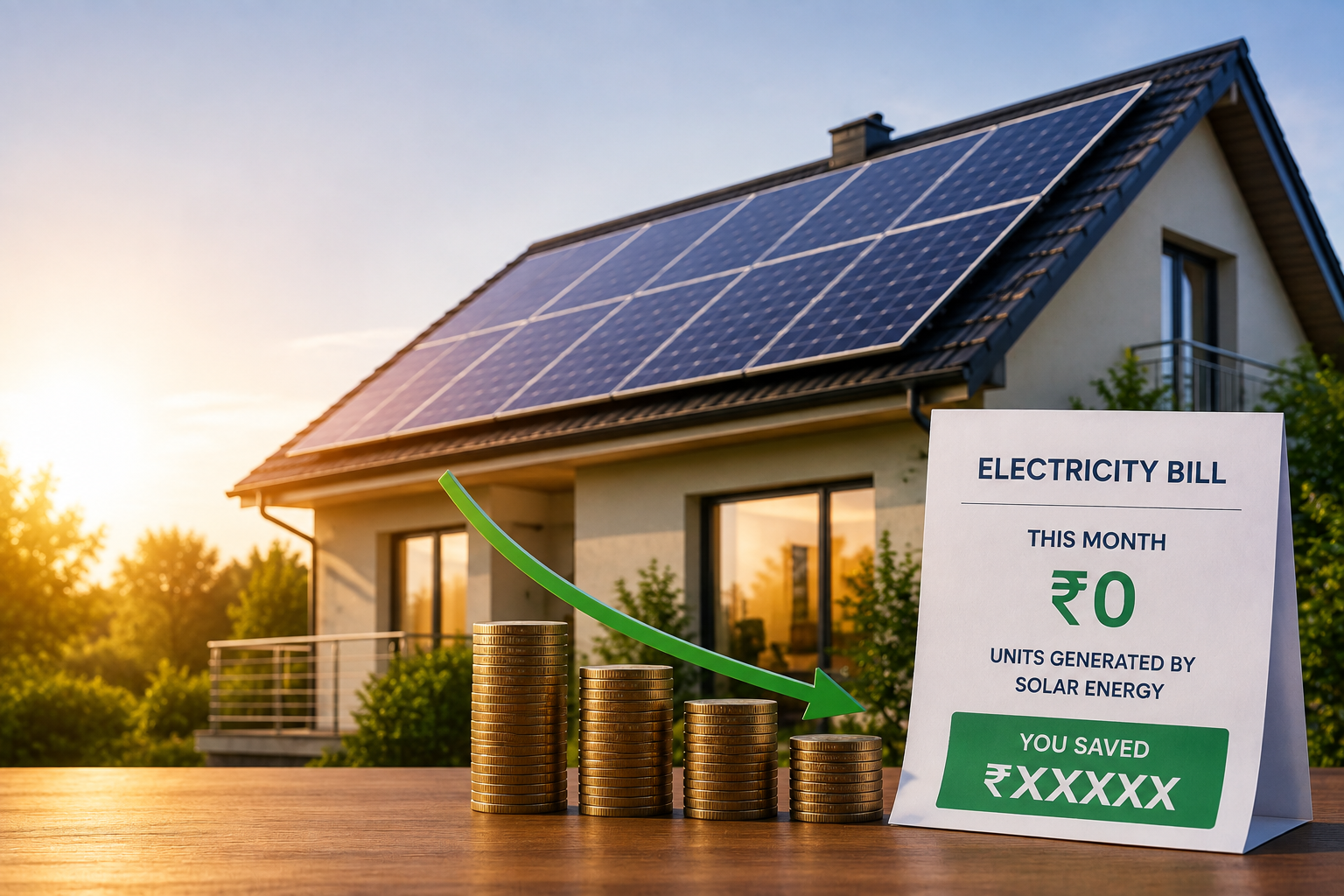
The Energy Flow Ecosystem
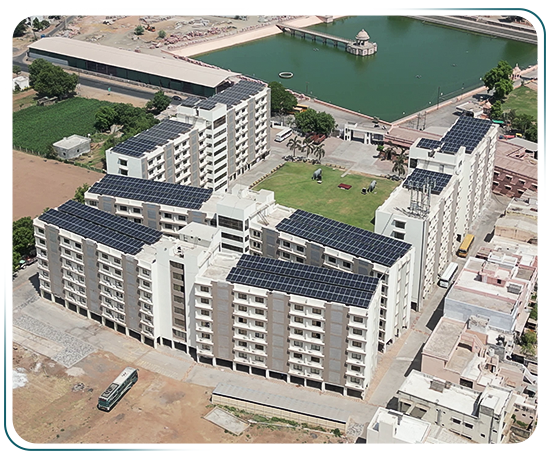
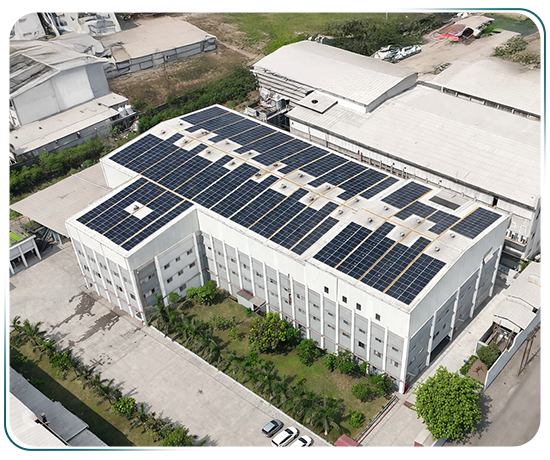
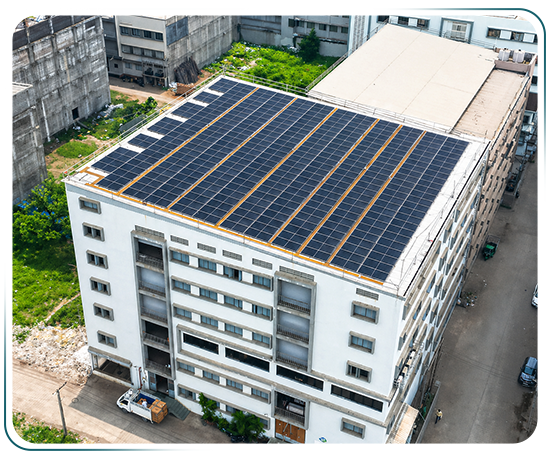
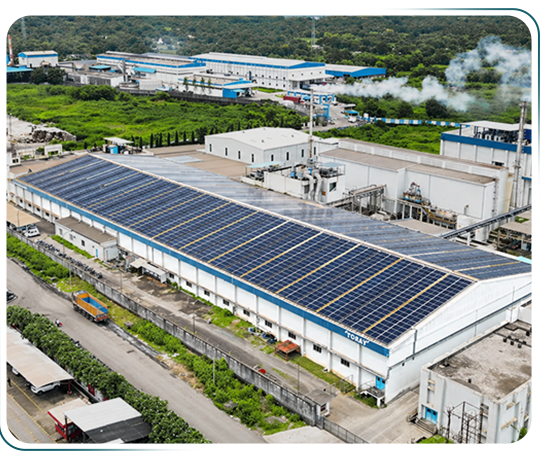
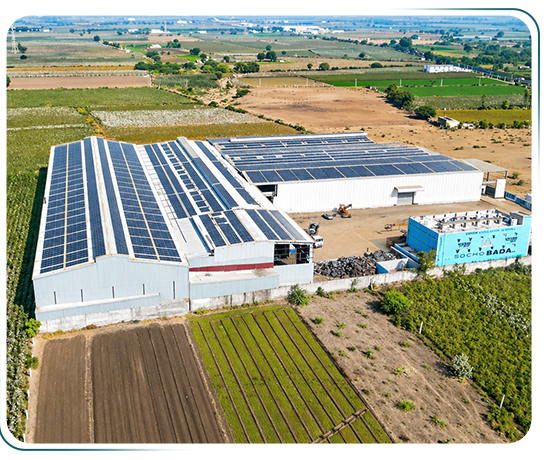
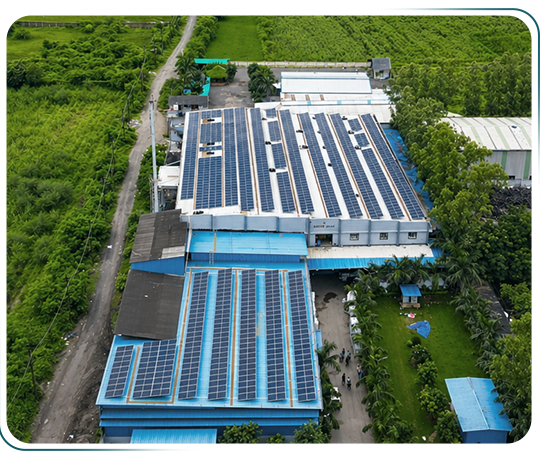
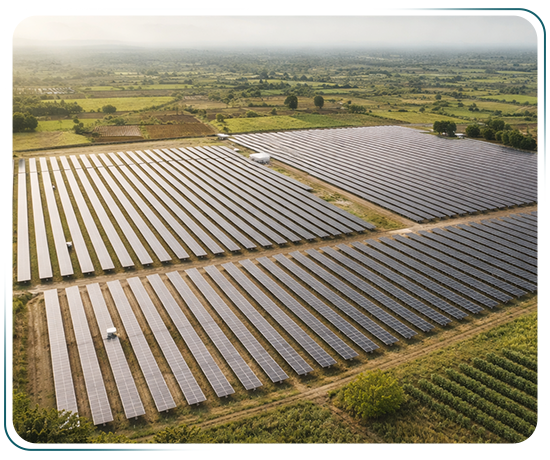
Our BESS units are deployed across critical industrial hubs
Shops & Offices
Keep POS systems, routers, and air conditioning running during power cuts. Save on evening peak tariffs.
Factories & Cold Storage
Reduce peak demand charges, protect machinery and maintain cold chain performance.
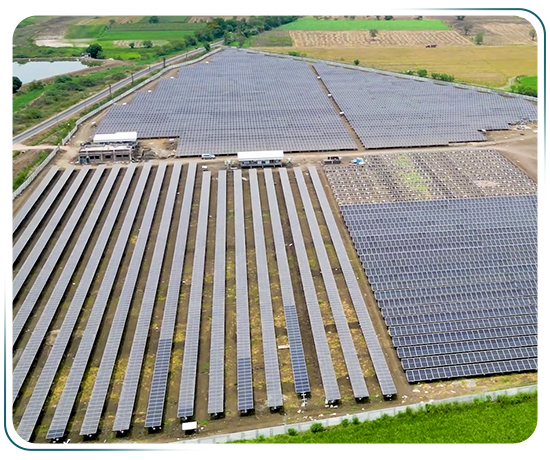
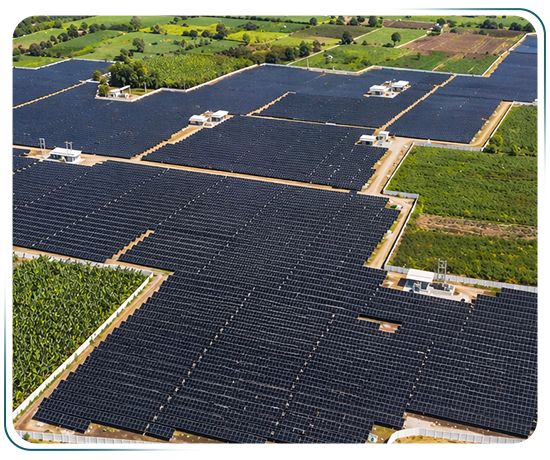
Ground Mounted Projects
Large-scale energy storage integration for utility solar projects.
Frequently Asked Questions
A BESS stores extra solar power in batteries and supplies it when the grid is down or when your usage peaks. It cuts bills and improves reliability.
Backup depends on battery size and load. Homes usually use 5–15 kWh for 4–12 hours. Businesses scale from 50 kWh to multi-MWh for critical loads.
Yes. Rayzon Green uses certified systems with battery management, fire-retardant enclosures, and ventilation. We follow BIS/IEC standards.
Yes. We integrate with new or existing solar using hybrid inverters or AC-coupled controllers.
Lithium batteries are low-maintenance. We provide periodic checks, health reports, and 24×7 remote monitoring.